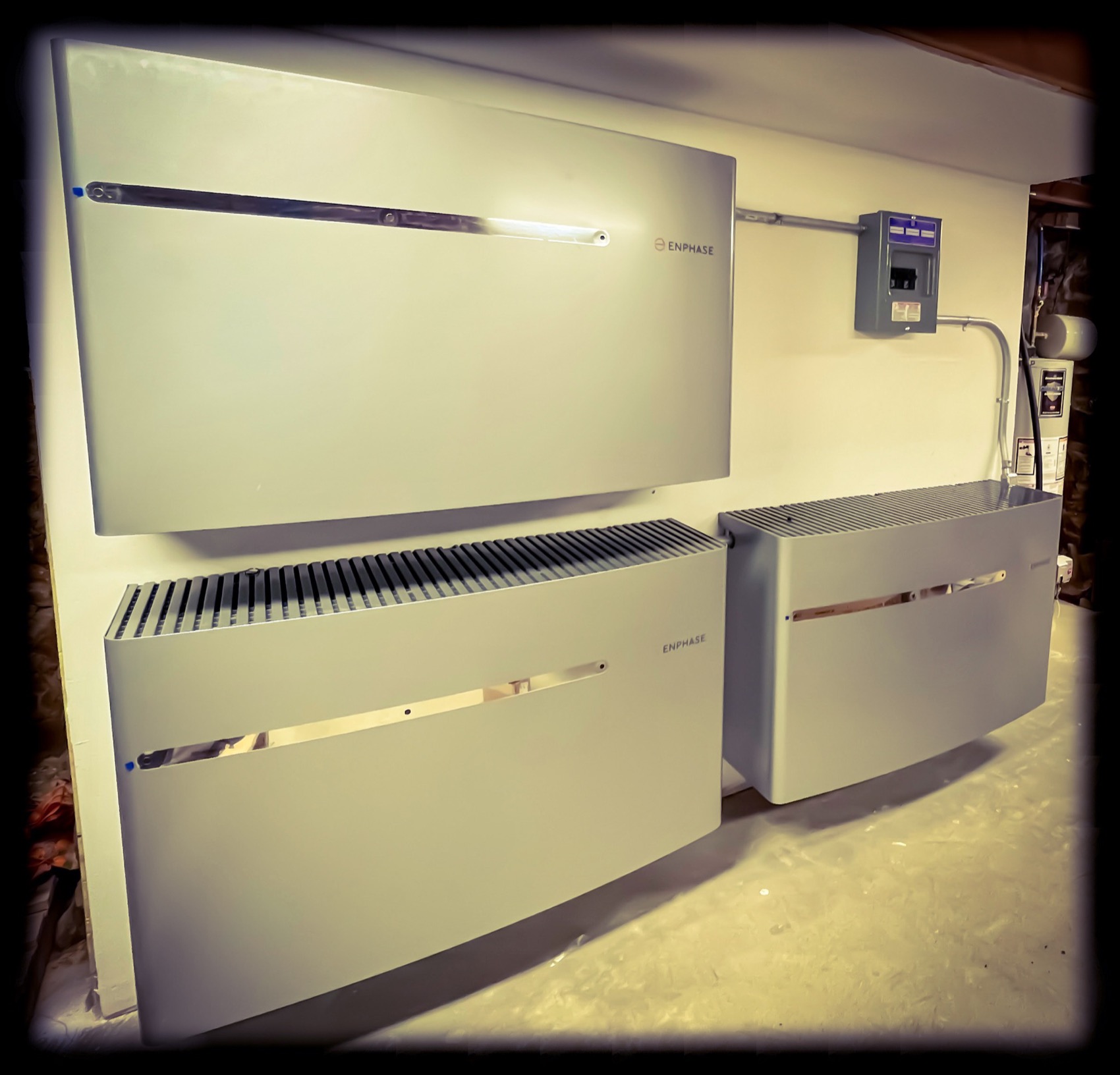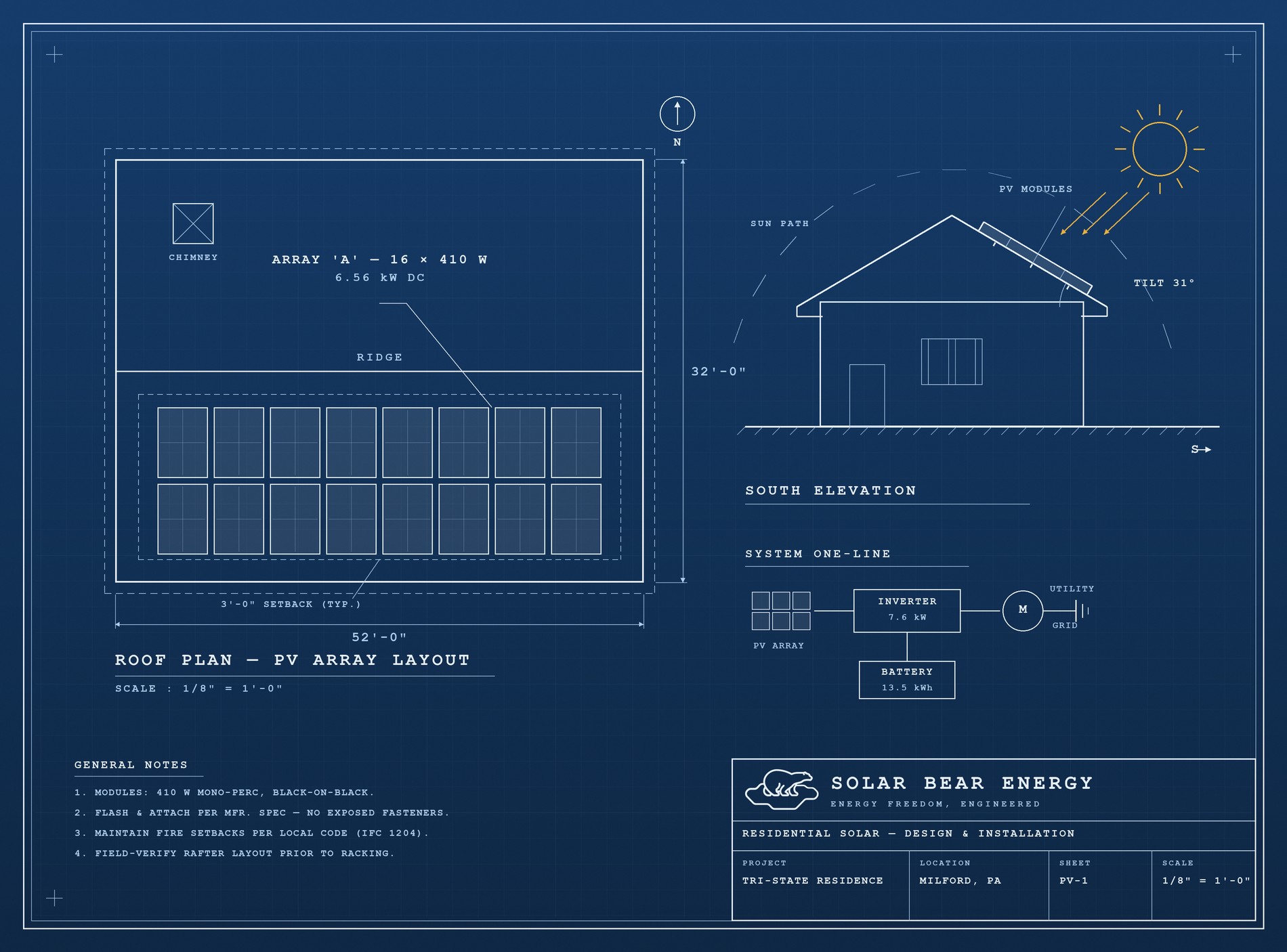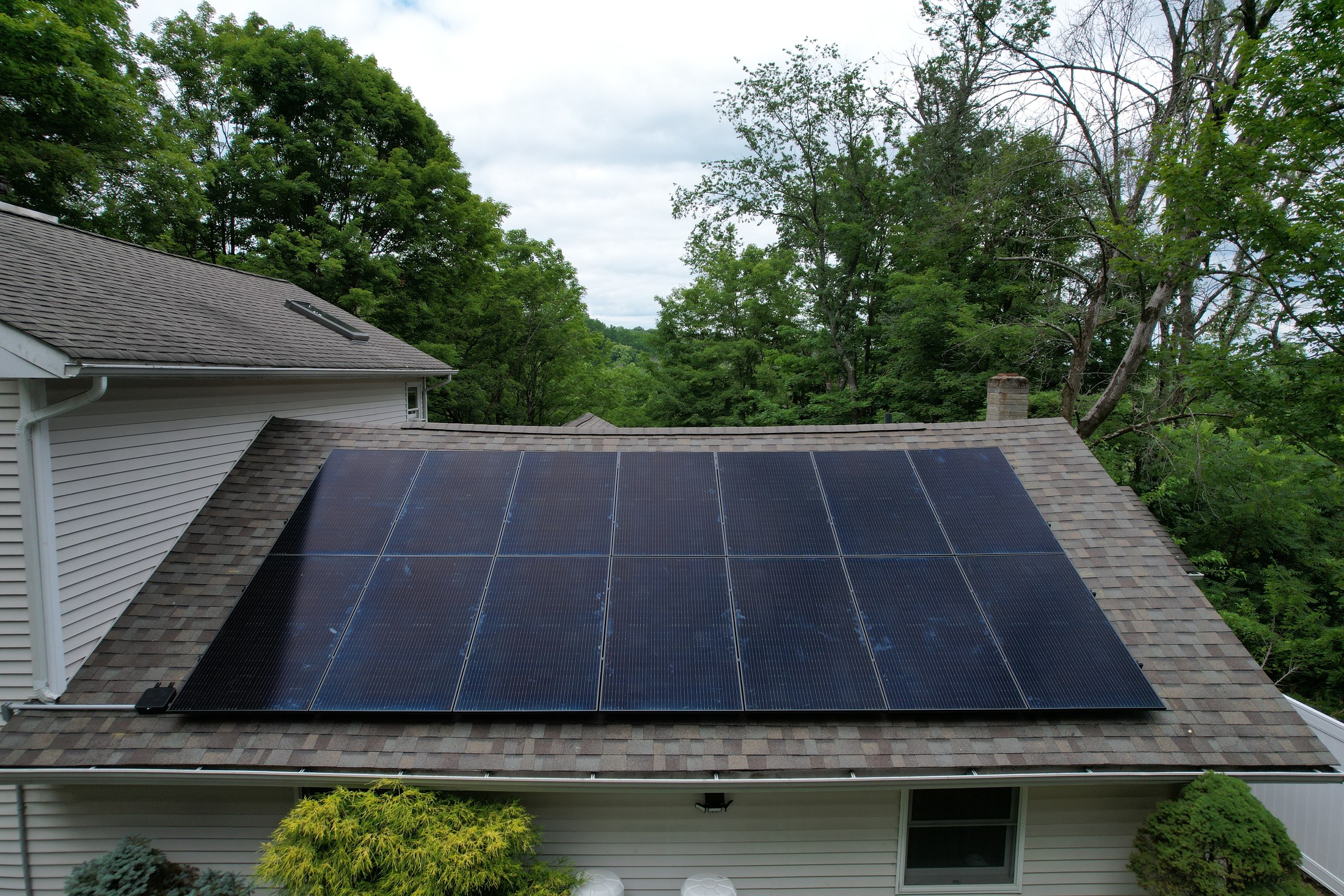
Start with the equipment, not the company. The panels and the inverter carry manufacturer warranties that belong to the hardware, and most of those outlive the installer. The workmanship warranty usually does not. Solar Bear services EG4, Sol-Ark, SMA, SolarEdge, Generac, APsmart, SunPower and Sungrow equipment, and we take over arrays we did not build. We do not service Tesla systems. Send a photo of the inverter label and tell us which utility bills you.
Why this keeps happening
The residential solar business consolidated hard, and when a national installer or a regional dealer folds, the service obligations are the first thing to evaporate. Bloomberg Law has covered homeowners left in limbo by solar bankruptcies, and the pattern is the same every time: the phone line goes to voicemail, the monitoring emails stop, and the warranty paperwork turns out to name a company that is no longer in business.
There is also a 2026 wrinkle worth saying out loud, because it changes who is knocking on doors. The federal residential clean energy credit is gone for property placed in service after December 31, 2025, and the IRS guidance on the changes made by Public Law 119-21 is the place to read it rather than a salesperson's slide. Companies built around that incentive are under pressure now. Some will not be here in two years. That is a reason to ask about service capacity before you sign anything, and it is a reason this page exists.
If you are in Pennsylvania, one check takes two minutes. Home improvement contractors register with the Office of Attorney General under the Home Improvement Consumer Protection Act, and you can look up a company in the public HIC registration search. An expired registration is not proof a company is gone, but it tells you something about whether anyone is still minding the store.
What dies with the company, and what does not
The useful distinction is between obligations that belonged to the installer and obligations that belong to somebody else.
The workmanship warranty was a contract with the installer. If the installer no longer exists, there is no one to perform it. Flashing, conduit runs, wire management, roof penetrations, the quality of the torque on the lugs: all of that now belongs to you, and to whoever you hire next.
The manufacturer warranty is an obligation of the company that made the part. Modules, inverters, optimizers, rapid shutdown devices and batteries each come with their own document, and the terms differ by brand and by the year the unit shipped. Read your own paperwork rather than a summary, and note whether the manufacturer required registration at installation. Some claims also require a licensed contractor to perform the diagnosis and the replacement, which is often the real reason an orphaned system sits dead for a year.
The utility relationship is yours. In Pennsylvania, net metering for customer-generators runs under Subchapter B of 52 Pa. Code Chapter 75, adopted under the AEPS Act the PUC administers. Your installer filed the application on your behalf. The agreement it produced is between you and the utility, and it does not lapse because a contractor closed.
| What you have | Who actually holds it now | What we can usually do |
|---|---|---|
| Module warranty | The module manufacturer | Pull serials, confirm coverage, file the claim, install the replacements |
| Inverter or optimizer warranty | The inverter manufacturer | Diagnose, open the case, swap the unit, re-commission |
| Workmanship warranty | Nobody, if the installer dissolved | Quote the repair honestly as new work |
| Monitoring account | The hardware manufacturer's platform, with the dead installer still listed as administrator | Request reassignment with proof of ownership |
| Interconnection and net metering record | Your electric utility | File the paperwork for any equipment change |
| Alternative energy credit account | Whoever the account was registered to | Help you find out whose name is on it |
| Lease or PPA hardware | The third-party owner, not you | Very little, until the owner authorizes it |
| Solar loan | The lender, who is a separate company | Nothing. The loan survives the installer |
That last row is the one that upsets people, and it is the one we will not soften. The financing agreement and the installation contract are separate pieces of paper with separate parties.
The equipment list decides most of it
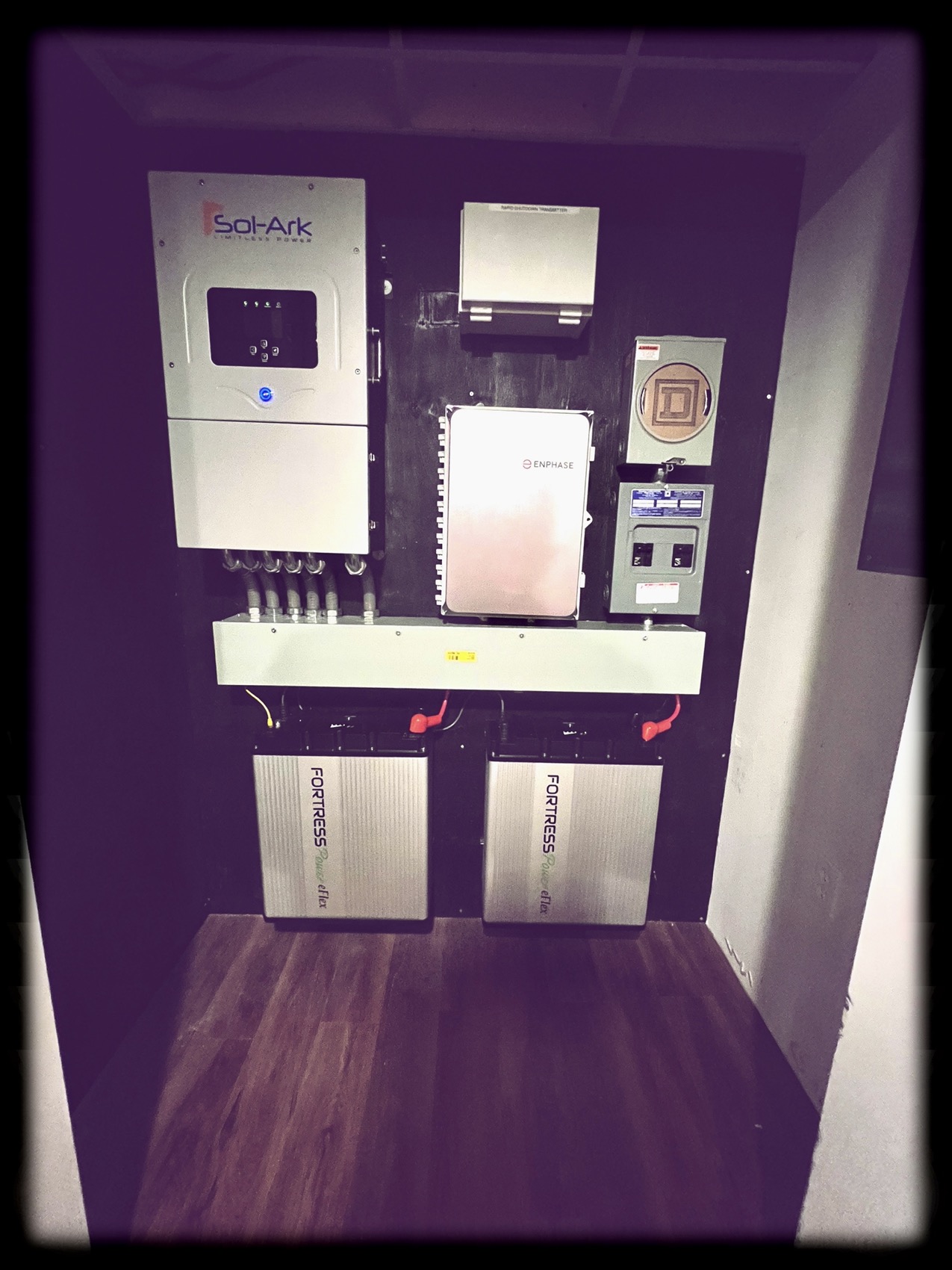
When you call us about an orphaned array, the first question is not the installer's name. It is what is bolted to the wall.
SolarEdge systems are common in this footprint and generally straightforward to adopt. The optimizers are matched one to one with modules, so a fault usually resolves to a specific module position rather than a vague "the system is down". SMA and Sungrow string inverters are serviceable and well documented. SunPower branded hardware is still out there in volume across Pike and Sussex Counties, and we work on it. APsmart rapid shutdown transmitters show up on string systems and are a frequent cause of an array that will not start in the morning.
EG4 and Sol-Ark matter for a different reason. When a legacy inverter is dead and out of warranty, replacing it like for like is not always the right call. A hybrid inverter lets you add storage later without a second redesign, which is the subject of our post on AC coupling a battery onto an existing array and our EG4 and Sol-Ark hybrid backup build. We will tell you when the cheaper straight swap is the better engineering, too.
Solar Bear does not service Tesla systems. Not the inverters, not the batteries, not the monitoring. If your array is Tesla equipment, we are not the company to call for it, and we would rather you heard that from this page than from a technician in your driveway. Our full equipment we install and what we do not service list is kept current for the same reason.
Send us the inverter label, a photo of the main service panel with the cover on, and the name of the utility that bills you. That is enough for us to tell you whether the system is adoptable and roughly what order the work goes in. Start with the service and battery form or call the office at (570) 500-2327.
The local wrinkle: the utility and the inspector still have opinions
Taking over an orphaned system is rarely just a repair. It is a repair plus a records problem.
If you are served by PPL Electric Utilities, their distributed energy resource application requirements describe the process, and the Level 1 interconnection application and agreement is the form most residential systems in Pike and Monroe Counties went through. Which utility serves your house is decided by your address, not your township, so check the bill rather than assuming your neighbor's utility is yours. When we change an inverter on a system we did not build, we treat it as a modification to that record and file accordingly. Skipping that step is how a homeowner ends up with a working array and a billing dispute, which is the failure mode we wrote about in the permission to operate letter post.
In New York, NYSERDA maintains its own lists of participating contractors for residential solar and for energy storage. If your Orange or Sullivan County system was installed under a NYSERDA program, those pages are where you confirm who is still participating, rather than a directory site that sells your phone number.
On the inspection side, swapping an inverter or adding rapid shutdown components typically means an electrical permit and an inspection by the authority having jurisdiction. Requirements vary by municipality and they change, so we confirm with the township or borough before we quote rather than quoting a number we read somewhere. The device-level shutdown requirement is explained in our rapid shutdown and inspection post.
One more records item. Ask the previous homeowner, the township file, or your own closing folder for the as-built drawings and the string map. On an orphaned system we frequently start by re-drawing what is actually up there, because the paperwork left with the company.
Who this is not right for
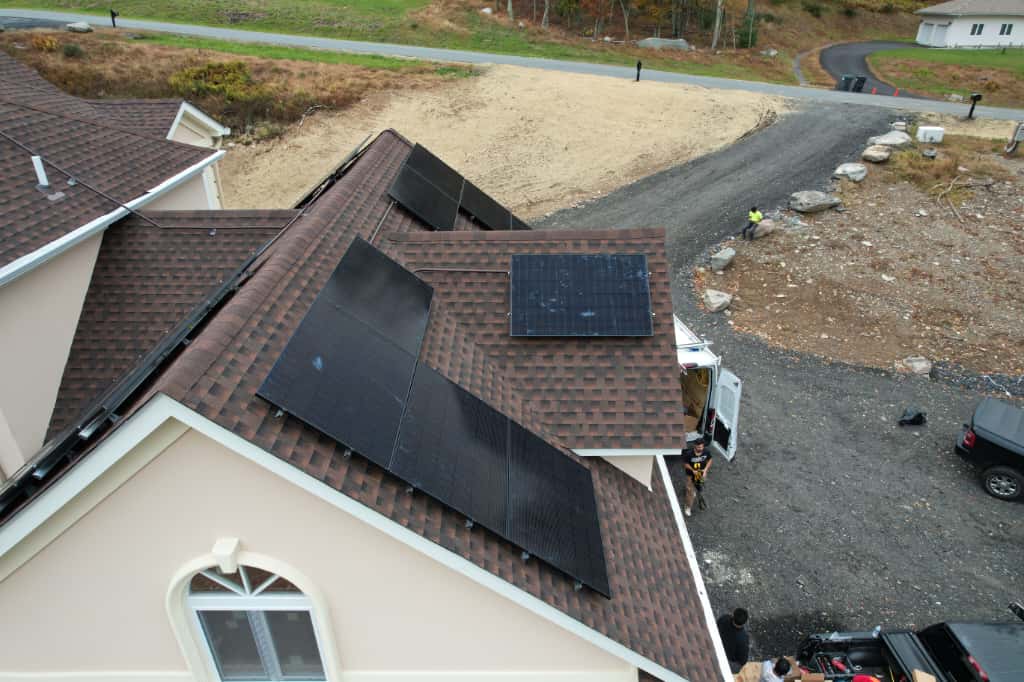
Honest limits, so nobody books a trip they did not need.
- Tesla systems. Stated again because it is the single most common version of this call. We do not service them.
- Leased systems and PPAs. If a third party owns the hardware, you cannot hire us to work on it without their authorization, and most agreements say so explicitly. Read the contract, find the current owner of the asset, and start there. Our page on ownership versus a PPA walks through the difference.
- Systems where the manufacturer is also gone. If the module brand no longer exists, there is no warranty backer left. We can still repair the array, but it is repair work, not a claim.
- Anyone who wants a diagnosis over the phone with no photos. We will not pretend to know what is wrong with equipment we have not seen.
- Roofs at the end of their life. Putting a new inverter under a twenty-year-old roof is spending money in the wrong order. Detach and reset, reroof, reinstall. Our sister company All In One Building LLC handles the roofing portion so the schedule is one schedule.
The order to do this in
- Photograph the inverter label, the module label on the back of a panel if one is accessible from a ladder or an attic, and the main service panel with the cover on.
- Find your paperwork: the installation contract, the warranty documents, the interconnection approval from the utility, and any loan or lease agreement.
- Check whether the company is actually dissolved or just unresponsive. In Pennsylvania, the registration lookup above is a reasonable first stop.
- Do not let anyone cut power or disconnect the array to "protect" it before it is diagnosed. A system that is down is cheaper to assess energized and monitored.
- Call a contractor who will put the adoption inspection in writing, including what they found, what they will warranty on their own work, and what they are only passing through to a manufacturer.
That last point is the whole thing. When we adopt a system, we are clear about which parts of it we now stand behind and which parts remain the manufacturer's obligation. You can see the kind of work we finish on our projects page, and the full scope of what we cover is on our services page. If the inverter in question is in that awkward middle age where parts are covered but labor is not, the economics are laid out in our post on inverter warranty claims in year eight.
If you are somewhere in Pike, Monroe, Wayne, Orange, Sullivan or Sussex County with an array nobody will touch, send us the address and the inverter photo. We will tell you what we can support and what we cannot, in that order.
What we would tell a homeowner considering this
- The manufacturer warranty follows the hardware. The workmanship warranty was a contract with a company that no longer exists.
- Find the inverter label and the module label before you call anyone. Those two photos decide most of the conversation.
- Your interconnection record is held by your utility, not by the installer, so a dead company does not take your net metering with it.
- Solar Bear does not service Tesla systems, and we will say so on the first call rather than after a trip charge.
- If the system is leased or on a PPA, the hardware is not yours and a third party controls who touches it.