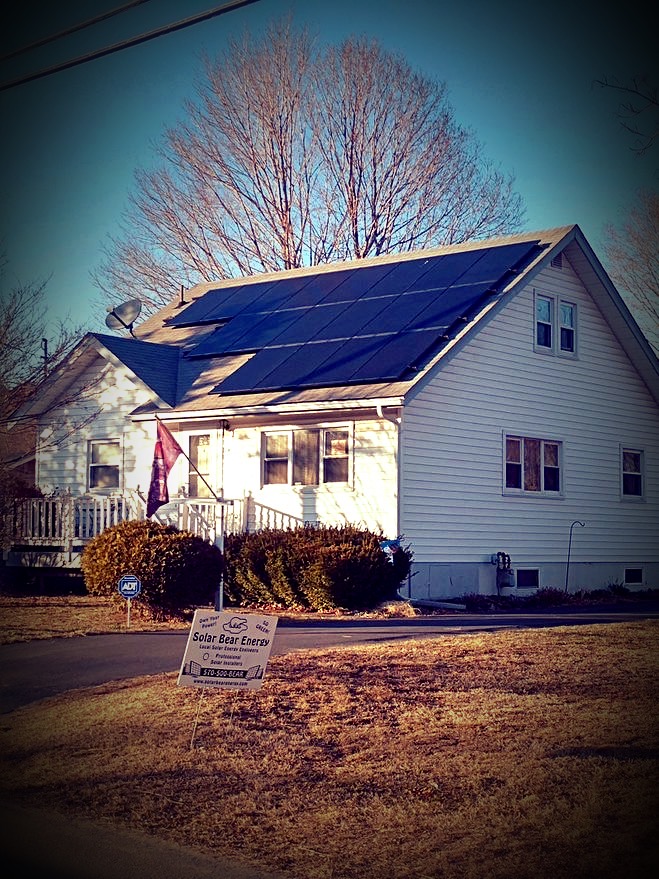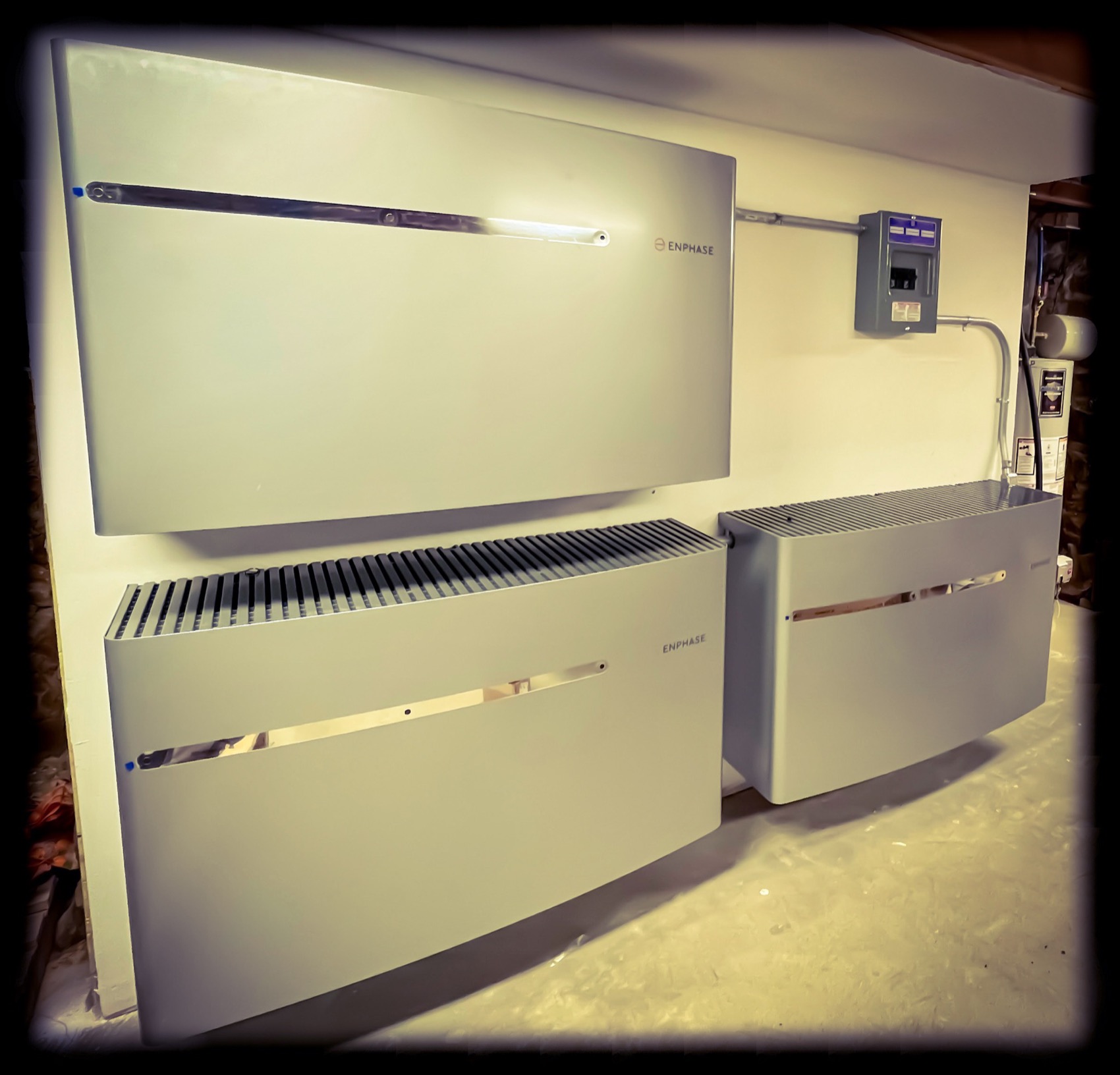
We install and service equipment from EG4, Sol-Ark, SMA, SolarEdge, Sungrow, SunPower, Tesla, APsmart, Generac, Enphase and Fortress Power. Which of those ends up on your house is decided by the roof, the shading, the electrical service, and whether backup power is in scope, not by which brand we happen to like. Below is what each piece of that list is for, in plain language.
Inverters, the part that actually decides the design
The inverter is the brain. It converts the array's DC output to household AC, handles rapid shutdown and safety functions, and, if it is a hybrid, manages a battery and the transition into and out of an outage.
Sol-Ark builds hybrid inverters. Their appeal is that storage, solar and generator input are handled in one box, which keeps the equipment wall simpler and gives you a clean path to add a battery later. On houses in outage-prone areas this is frequently where we start.
SolarEdge pairs a string inverter with per-module power optimizers. That matters on roofs with real shading or multiple planes, because a shaded module drags down less of the string. Tree canopy is not hypothetical in Pike, Wayne and Sullivan counties, so this comes up often.
SMA has been building inverters longer than most of this industry has existed. Where the priority is a straightforward, robust, well-documented string inverter with a long service history behind it, that longevity is the argument.
Sungrow and EG4 both make inverters and storage. EG4 in particular has become a practical choice for hybrid and off-grid-leaning builds, cabins, outbuildings, properties at the end of a long line.
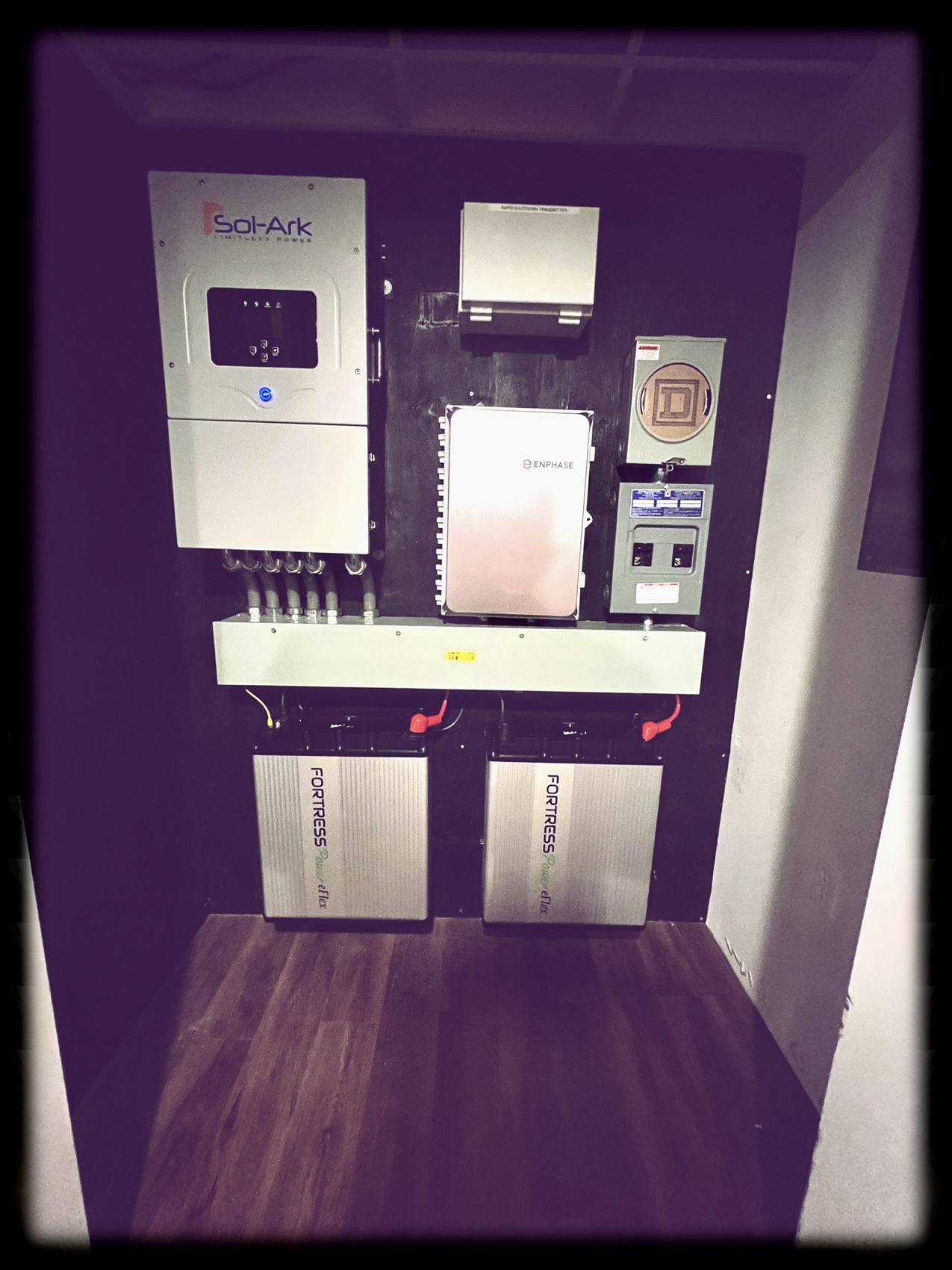
Enphase takes the opposite approach with microinverters, conversion happens at each module instead of in one central box. It is a good answer for complex roofs and for homeowners who want per-module visibility.
Storage
Tesla, Generac, Enphase, Fortress Power, Sol-Ark, EG4 and more all make residential storage we install. The selection follows the same logic every time: what loads are being backed up, whether the battery has to live in conditioned space, whether there is existing solar to integrate with, and what the recharge path looks like in January. We went through that reasoning in detail in our guide to battery backup in the Poconos.
Generac is also the standby generator side of the conversation. For some houses up here, heavy well pumps, propane already on site, multi-day winter outages, a generator or a hybrid inverter with a generator input is the more honest recommendation than storage alone.
Modules and rapid shutdown
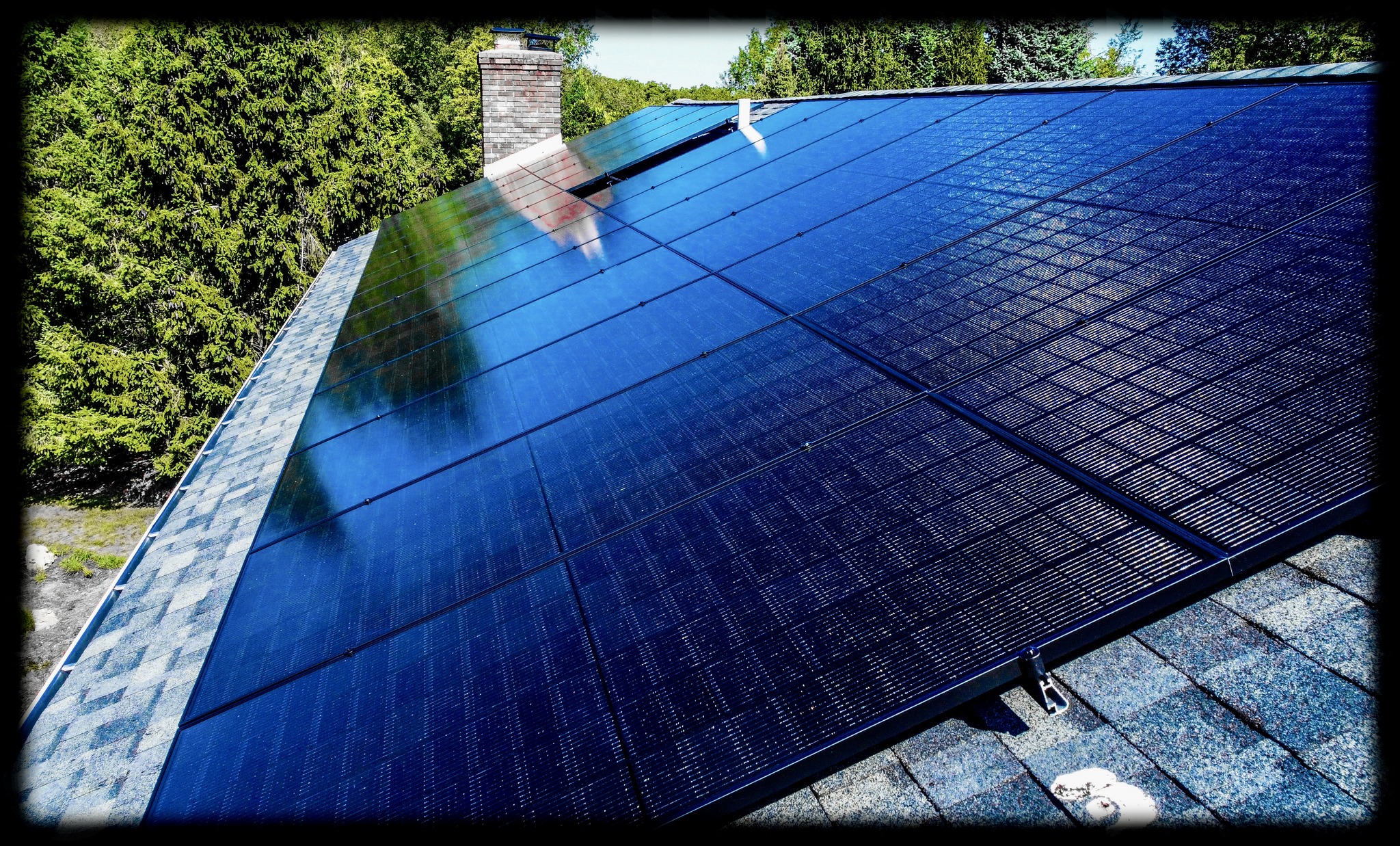
SunPower modules remain a premium option where efficiency per square foot matters, which is most relevant on roofs where usable area is the binding constraint rather than budget.
APsmart makes the rapid shutdown devices that let a string system meet NEC module-level shutdown requirements. It is unglamorous hardware that inspectors look for and homeowners never think about, which is exactly why it belongs on the list.
What we are careful about
We are cautious about retrofitting storage onto systems installed by others when the original inverter is old, undocumented, or was never designed with a battery in mind. Sometimes the answer is yes. Sometimes the answer is that bolting new equipment onto it would create a system nobody can support properly. We would rather lose that job than hand you an orphan.
Why any of this matters to you
There are two questions worth asking every company that quotes your house:
- Which of these do you actually stock and service, not "can order," but have in the van and have replaced under warranty.
- What do you refuse to work on? A company with no answer to that has not thought carefully about where it is good.
Equipment brands are not a personality. They are a set of tradeoffs against your roof, your shading, your panel, and how you want the house to behave when the power goes out. That is the conversation to have, and it is the one we start with on every service we offer, from solar and storage through roofing, HVAC and ADT security.
If you want to see what these choices look like finished, our project gallery is the honest version. If you already know what you want on your wall, tell us and we will tell you whether we agree.
What we would tell a homeowner considering this
- Ask any installer which brands they actually stock and service, not which ones they can order.
- The right inverter is decided by the roof, the shading and whether storage is in scope, not by whichever brand the salesperson likes.
- A brand nobody local services is a support problem waiting to happen, no matter how good the datasheet looks.
- If a company will not tell you what they refuse to work on, they have not thought carefully about what they are good at.