A residential solar project runs in five stages: design and site survey, permitting with your municipality, installation, municipal inspection, then utility interconnection and permission to operate. The crew work, the part everyone pictures, is typically one to three days. Almost all of the calendar sits in the two queues on either side of it: your township's plan review and your utility's interconnection review. Neither one moves on your installer's schedule, and any company that promises you a switch-on date at signing is telling you what you want to hear.
Stage one: site survey and design
Nothing accurate can be quoted from satellite imagery alone. A real survey means someone on the roof and someone at the panel.
What we are actually looking at:
- The roof. Material, age, decking condition, rafter spacing, penetrations, and whether there is anything under the shingles we would rather find now than in the middle of an install.
- The electrical service. Panel size, bus rating, main breaker, available spaces, and whether the service can accept the interconnection without an upgrade. This one changes projects.
- Shading. Tree canopy on this side of the Delaware is real, and it moves seasonally. A neighbour's tulip poplar is a design input.
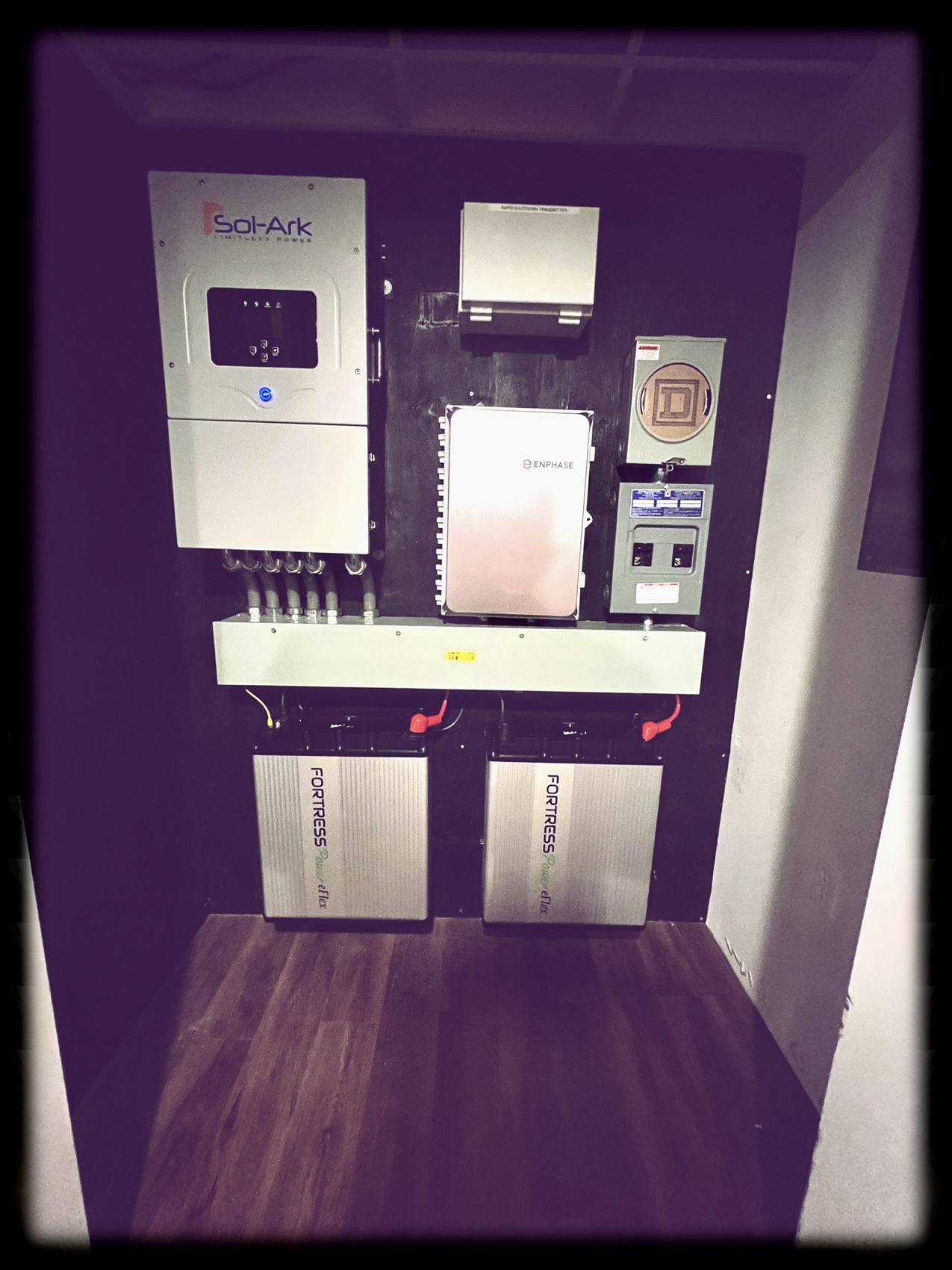
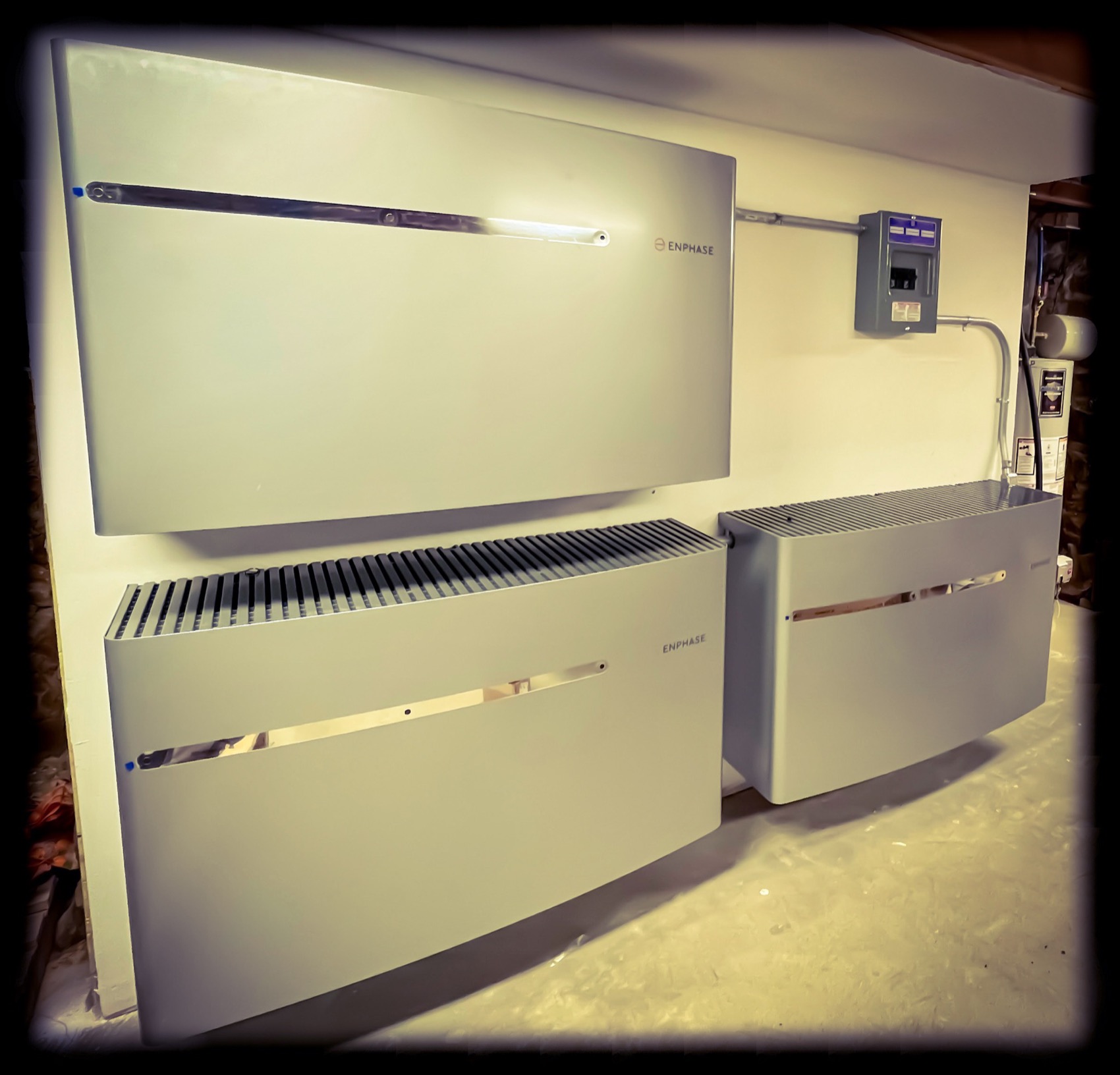
- Where equipment goes. Inverter, disconnect, and, if there is storage, where the battery physically lives.
Out of that comes a stamped set of drawings: a site plan, an electrical one-line, panel and inverter datasheets, and structural details. That package is what gets submitted, and its quality is why some plan reviews come back clean and others come back with comments.
Stage two: the permit, and the AHJ that reviews it
Your Authority Having Jurisdiction is whoever issues building and electrical permits where the house sits, a Pike County township, Milford Borough, a New York town, a New Jersey municipality. Each one has its own submission format, its own third-party plan reviewer in some cases, and its own inspector with his own habits.
Two honest observations from working across three states:
Every office is different, and the difference is process, not attitude. One township wants a paper set and a check. Another wants a portal upload. One reviews in-house in a week; another sends to a third-party reviewer and comes back with comments. None of that is a problem, it is only a problem when your installer does not know which one you are in.
Comments are normal. A plan review comment is not a failure. It usually means the reviewer wants a detail called out more explicitly. What matters is turnaround: whether your contractor answers it the same week or lets it sit.
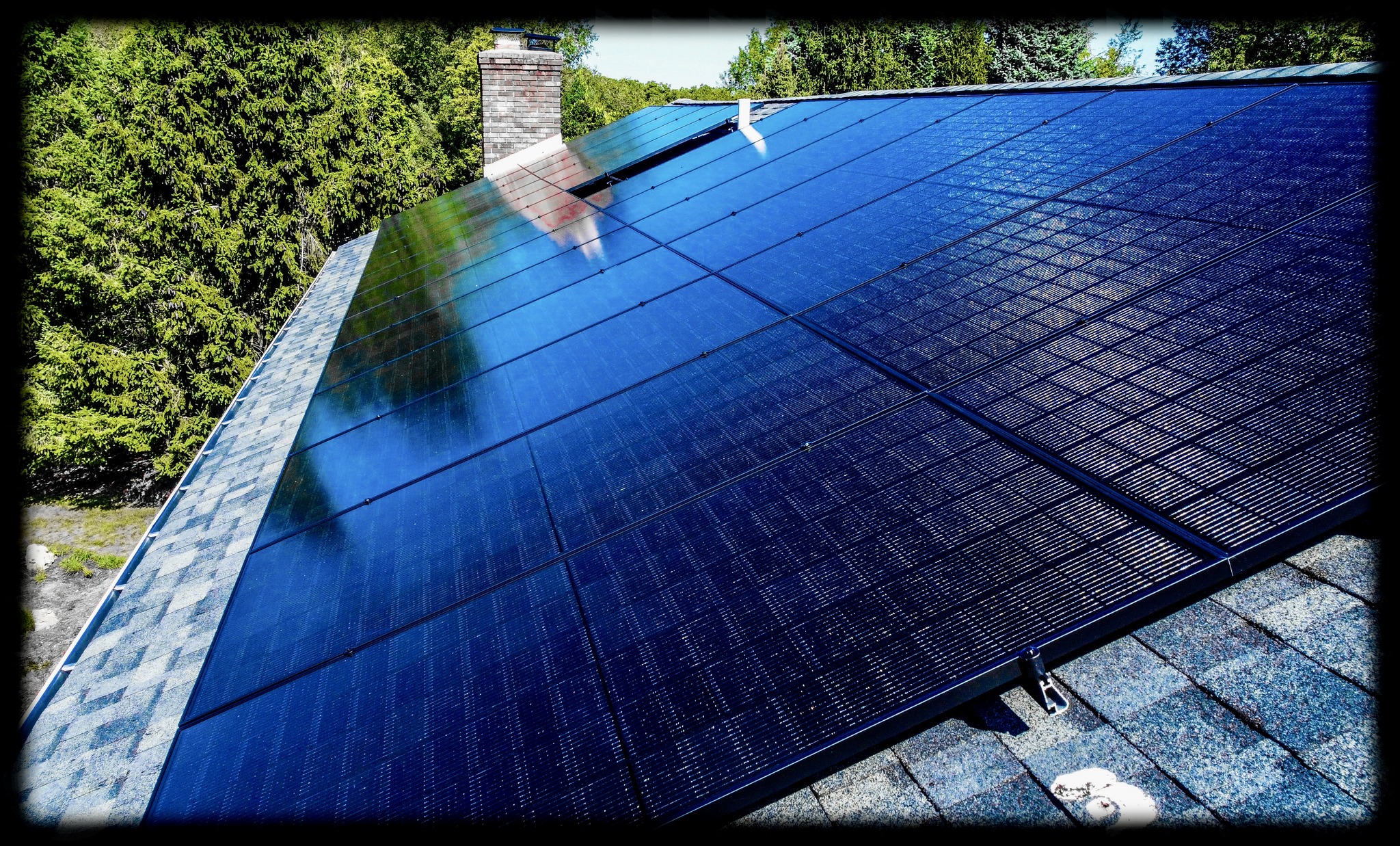
We pull the permits. That is our job and our paperwork. If a company asks you to pull your own homeowner permit for a solar installation, treat it as the warning it is.
Want to know what the review looks like in your township specifically? Tell us the address and we will tell you what we have seen from that office recently.
Stage three: the install
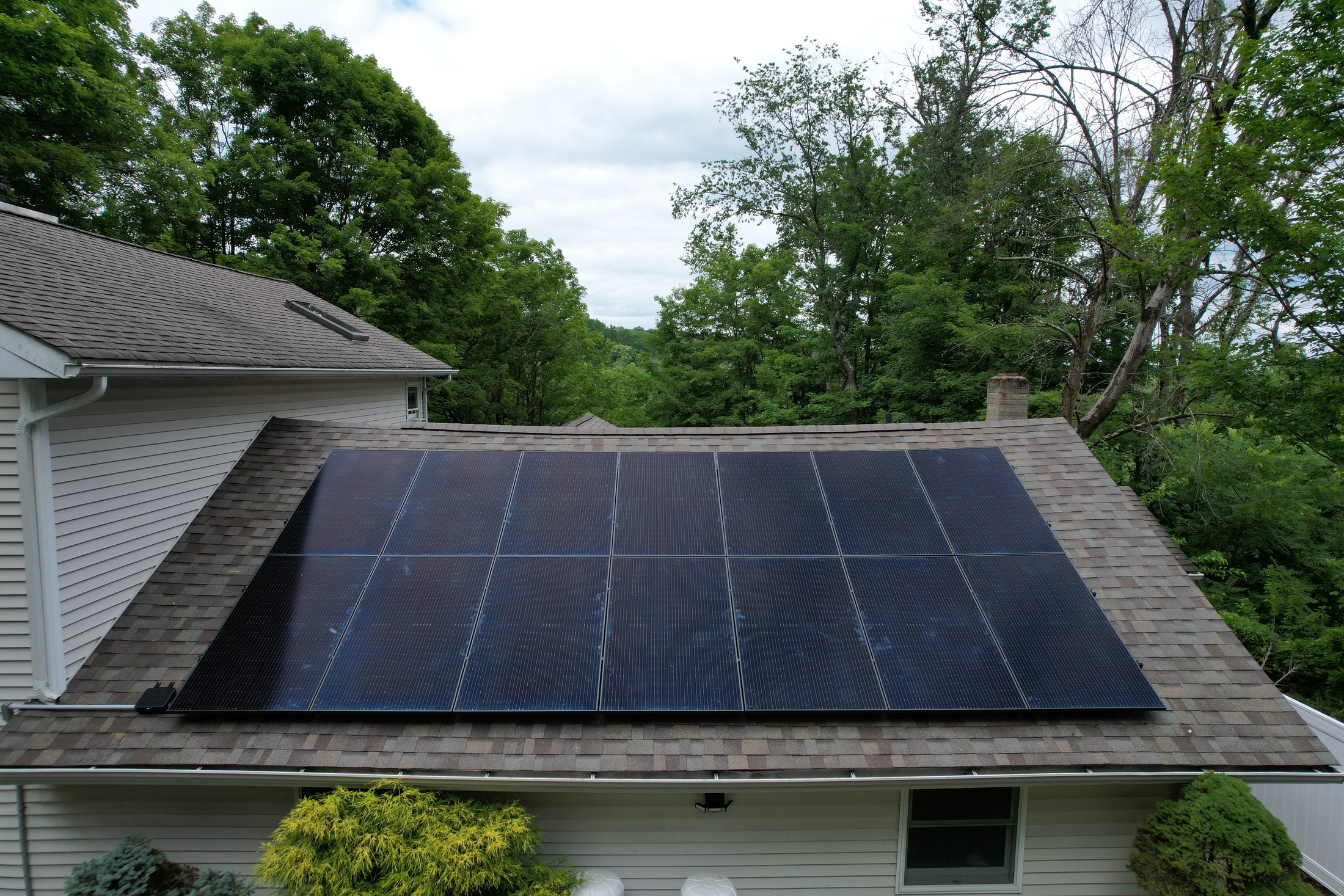
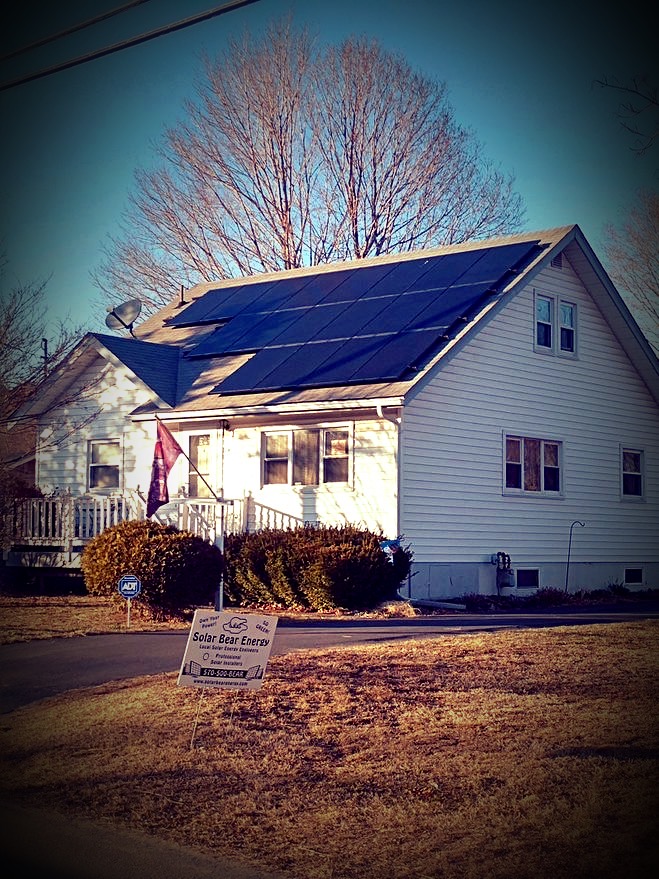
This is the visible part and the shortest part. A typical residential roof mount runs one to three days depending on array size, roof complexity, and whether storage or a service upgrade is in scope.
What a good install day looks like from the ground: the crew shows up when they said, the roof is protected, penetrations are flashed properly as they go rather than sealed with a tube of caulk at the end, conduit runs are planned before anything is drilled, and the site is left clean each evening.
What it looks like from a code perspective: rapid shutdown equipment where required, correct labelling, proper conductor management, and a wiring layout the next electrician can read. We install the equipment listed on our services page and we wire it so that the person who opens that panel in fifteen years can understand what happened.
Stage four: municipal inspection
After the install, the AHJ inspects. Electrical inspection nearly always; building inspection depending on the jurisdiction and the mounting.
The system does not get energized before that inspection passes. This is worth stating plainly because customers occasionally ask us to flip it on early, it is finished, it is sunny, and the panels are right there. The answer is no. An energized unapproved system is a liability problem for you and a license problem for us.
If the inspector writes a correction, we fix it and call for re-inspection. That is a normal part of construction.
Stage five: interconnection and permission to operate
Now the utility. In our service area that is generally PPL or Met-Ed in Pennsylvania, Orange & Rockland or NYSEG in New York, and JCP&L in New Jersey, with the specific one determined by your address, sometimes surprising people whose neighbours are on a different one.
The general sequence is the same everywhere: an interconnection application submitted with the design, a utility review, a signed interconnection agreement, occasionally a meter exchange, and finally written permission to operate. Until that PTO arrives, the system stays off.
Timelines, documentation requirements, and how much engineering review a project draws vary by utility, by system size, by whether storage is included, and by how loaded their queue is that season. They also change. We confirm the current requirements for your address before quoting rather than repeating what was true last year.
Two things reliably add time here, and both are worth knowing before you sign:
- A service or meter upgrade. If the existing service cannot accept the interconnection, that work has to be coordinated with the utility and it has its own schedule.
- Storage in the scope. Systems with batteries carry additional documentation nearly everywhere. It is not a reason to skip storage, it is a reason to start the paperwork early.
The thing that most often has to happen first: the roof
A solar array is a twenty-five year piece of equipment fastened to a roof that may not have twenty-five years left in it. If the decking is soft, the shingles are at the end of their life, or the flashing around a chimney or valley is already failing, that work belongs before the array, not after.
The reason is purely practical. Removing an installed array, replacing the roof underneath it, and resetting the system is real labour that you pay for a second time, and it is entirely avoidable by looking honestly at the roof during the site survey. Around here we see it most often on older Milford-area homes and on cabins where a previous owner deferred a roof for a decade.
This is also why we do roofing ourselves rather than subcontracting it out and hoping the sequencing works. When one company owns both trades, the roof goes on, the flashing details are done the way the array wants them done, and the mounts land where the structure actually is. When it is split across two contractors, the schedule tends to be where the argument happens.
If your roof is a question mark, say so early. It changes the order of operations, not the outcome.
So what should you actually ask an installer?
Five questions, and the answers tell you most of what you need to know:
- Who pulls the permit, and whose license is on it?
- Which utility is my address on, and what have you seen from them recently?
- What is your roof condition assessment, in writing?
- What happens if the plan reviewer sends comments, who handles that and how fast?
- What is the sequence, and at which step does the system actually turn on?
A company that has genuinely worked in your township will answer all five without hedging. A company that has not will talk about the install date instead.
Where the honesty is
We will not give you a switch-on date at signing, because it is not ours to give. What we will give you is the sequence, the name of the office reviewing it, and a call when each stage moves. If that sounds slower than what someone else promised you, compare the promises carefully, most of the difference is in what is being claimed about queues nobody controls.
Have a look at projects we have already carried through this process, or start with the design conversation.
What we would tell a homeowner considering this
- The install is the short part. Plan review and interconnection are where the calendar goes, and neither one is on your installer's schedule.
- Nobody can promise you a switch-on date at signing. Anyone who does is telling you what you want to hear.
- Ask who is pulling the permit and whose license is on it before you sign anything.
- Deal with roof condition before the array, not after. Removing and resetting a system is entirely avoidable cost.
- Ask your installer which utility your address is on and what they have seen from that utility recently. If they cannot answer, they have not done many jobs near you.